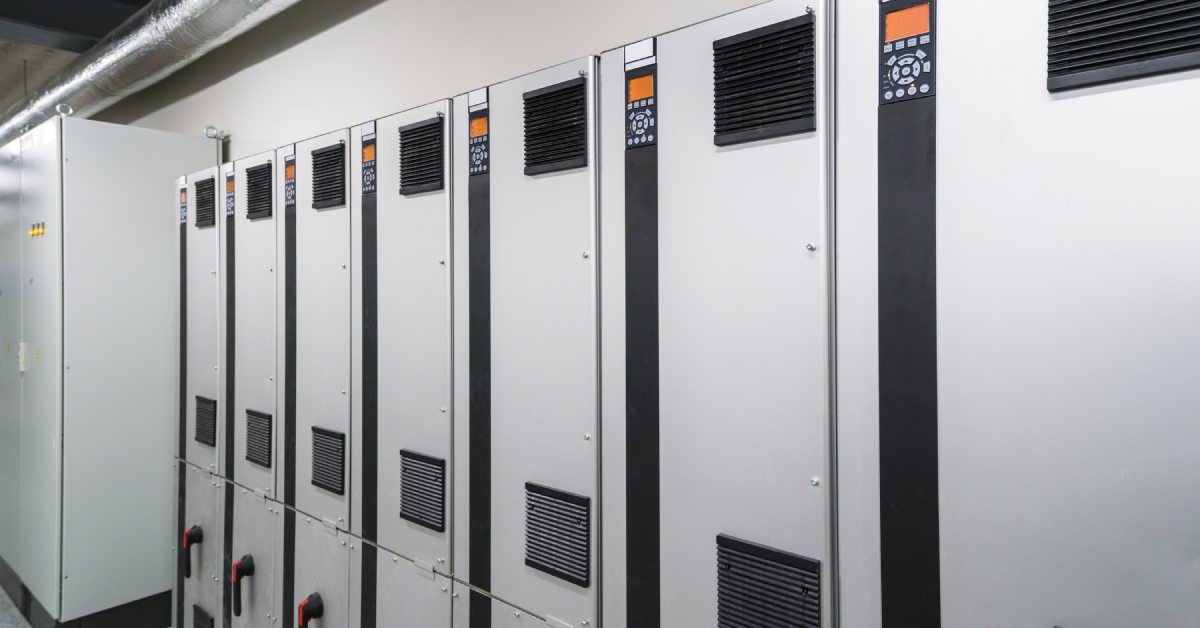
In the high-stakes world of industrial manufacturing and infrastructure, the ability to control electricity with precision is the difference between a high-performing facility and one plagued by inefficiency and mechanical failure. As industries move away from static, mechanical methods of power regulation, the frequency converter has emerged as the unsung hero of the modern factory floor. By acting as the intelligent interface between the power grid and heavy machinery, these devices allow for a level of operational flexibility that was previously unimaginable. Whether it is ensuring a conveyor belt moves at a consistent speed or protecting sensitive laboratory equipment from fluctuating voltages, Visicomm Industries frequency converters are the silent architects of industrial stability.
Dramatic Energy Savings and Reduced Operational Costs
In the past, industrial motors were typically operated at a constant speed. To control output—such as the flow of air in a ventilation system or the volume of liquid in a pumping station—operators relied on mechanical throttles, dampers, or valves. This is inherently wasteful, as the motor continues to draw full power even when the actual demand is low. Frequency converters introduce the ability to vary the motor speed to match the real-time load requirements of the process.
The energy implications of this control are profound, particularly for centrifugal loads like fans and pumps. According to the affinity laws of fluid dynamics, a small reduction in motor speed results in a disproportionately large reduction in energy consumption. For instance, reducing a fan’s speed by only twenty percent can cut its energy usage nearly in half. In an era where energy costs are a major component of a company’s overhead, the ability to shave significant percentages off the utility bill makes frequency converters one of the most cost-effective investments a facility can make.
Enhancing Mechanical Longevity Through Soft Starting
Industrial machinery is subject to immense physical stress during the start-up phase. When a large motor is switched directly “across the line,” it experiences a massive surge of current and a sudden jolt of torque. This “hammer effect” puts incredible strain on belts, gears, bearings, and motor windings. Over time, these repeated mechanical shocks lead to premature wear, frequent maintenance intervals, and the risk of catastrophic failure that can bring an entire production line to a halt.
Frequency converters provide a “soft start” capability, allowing the motor to ramp up to its operating speed gradually. By controlling the acceleration, the converter eliminates the violent torque spikes and high inrush currents associated with traditional starting methods. This gentle approach not only protects the mechanical components but also stabilizes the local electrical grid, preventing voltage dips that could affect other sensitive equipment in the facility. The result is a more reliable system with a significantly extended operational lifespan.
Precision Control and Improved Product Quality
In many manufacturing processes, precision is not just a goal; it is a requirement. Whether it is the tension on a paper mill roller, the speed of a bottling line, or the temperature in a chemical reactor, even minor fluctuations can lead to wasted materials and subpar products. Frequency converters provide the high-resolution control necessary to maintain these variables within extremely tight tolerances.
Modern converters are equipped with sophisticated sensors and feedback loops that allow them to react to changes in the load almost instantaneously. If a conveyor belt becomes slightly heavier, the converter can automatically increase power to maintain a constant speed. This level of automation reduces the need for constant human intervention and ensures that the final output is consistent, regardless of external variables. For industries where “six sigma” quality is the standard, frequency converters are the primary tools used to eliminate process variability.
Conclusion
The evolution of industrial systems toward greater automation and efficiency has made the frequency converter an essential component of modern engineering. From their ability to harmonize global power standards to their role in slashing energy consumption and protecting expensive mechanical assets, their value is multifaceted. As industries continue to face pressure to produce more with less, the precision and protection offered by frequency conversion technology will remain a fundamental pillar of industrial success. Investing in these systems is not merely an upgrade; it is a commitment to the long-term reliability and sustainability of the entire manufacturing ecosystem.
