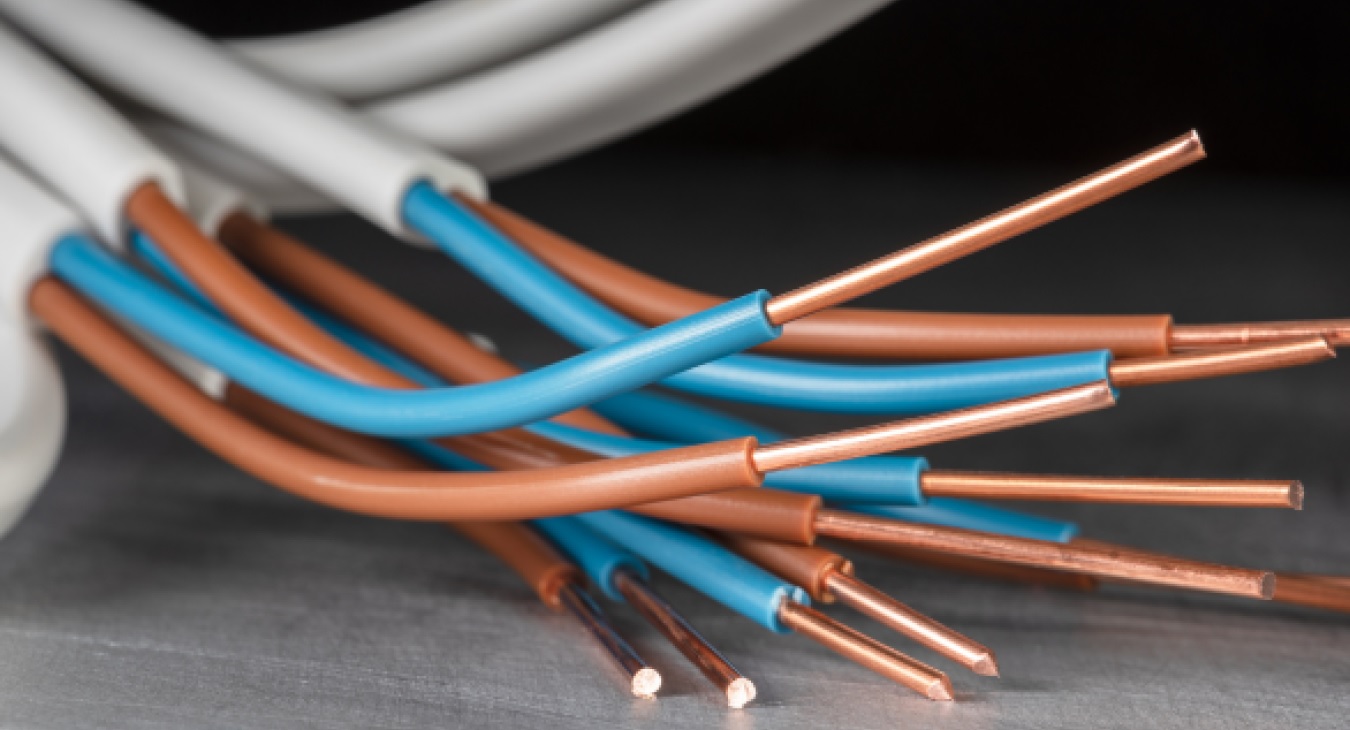
In the modern world, electricity is the invisible force that powers every aspect of our daily lives, from the smartphones in our pockets to the massive industrial machines in our factories. While there are many materials capable of conducting an electrical current, copper has remained the undisputed champion of the industry for over a century. Its dominance is not merely a result of tradition but is rooted in a unique combination of physical and chemical properties that make it the safest, most efficient, and most reliable choice for moving electrons. Understanding why copper wiring for electronics is the preferred material reveals the intricate balance of science and practicality that keeps our world illuminated.
Superior Electrical Conductivity and Efficiency
The primary reason engineers and electricians turn to copper is its exceptional electrical conductivity. Copper allows electricity to flow with minimal resistance, which is critical for reducing energy loss. When electricity encounters resistance in a wire, that energy is converted into heat. By using a highly conductive material like copper, power systems can operate more efficiently, ensuring that as much energy as possible reaches the intended device rather than being wasted as ambient heat.
This efficiency also has significant implications for the physical design of electrical systems. Because copper is such an effective conductor, it can carry more current per square inch than almost any other non-precious metal. This allows for the use of thinner wires to handle the same electrical load that would require much thicker cables if made from a different material. This space-saving quality is essential in everything from the complex wiring harnesses of modern automobiles to the crowded electrical panels in residential basements.
Unmatched Ductility and Tensile Strength
Electrical wiring is rarely installed in a straight line. It must be pulled through narrow conduits, bent around sharp corners, and twisted into tight junction boxes. For a material to survive this process, it must be highly ductile, meaning it can be drawn into thin wires without breaking. Copper excels in this regard, maintaining its structural integrity even when subjected to significant bending and stretching. This flexibility makes the installation process faster and reduces the likelihood of a wire snapping during a difficult pull.
Furthermore, copper possesses high tensile strength, which allows it to resist stretching and breaking under tension. This is particularly important for overhead power lines or long vertical runs in high-rise buildings where the weight of the wire itself puts constant stress on the material. A wire that stretches or thins out over time can create points of high resistance, leading to overheating and potential fire hazards. Copper’s ability to maintain its shape and strength ensures that the electrical path remains consistent over decades of use.
Reliability Through Thermal and Corrosion Resistance
Safety is the most important factor in any electrical installation, and copper’s thermal properties provide an extra layer of protection. Copper has a high melting point and a low rate of thermal expansion. This means that as wires heat up during periods of high electrical demand, copper does not expand significantly. Materials that expand too much can loosen connections at terminals, creating gaps that lead to dangerous electrical arcing. Copper stays secure in its fittings, maintaining a solid connection even under fluctuating temperatures.
Additionally, copper is highly resistant to corrosion. While it may develop a green patina over time when exposed to the elements, this layer is actually a protective coating that prevents further degradation of the underlying metal. Unlike other metals that can develop a brittle, non-conductive oxide layer that disrupts the flow of electricity, copper remains a reliable conductor even as it ages. This longevity makes it the most cost-effective choice in the long run, as it rarely requires the frequent repairs or replacements associated with inferior materials.
Conclusion
Copper is more than just a common metal; it is the backbone of our global infrastructure. Its combination of high conductivity, physical flexibility, and long-term durability makes it an irreplaceable asset in the field of electrical engineering. By minimizing energy waste and maximizing safety, copper ensures that our electrical systems are not only powerful but also sustainable and secure. While new materials are constantly being tested in laboratories, the natural advantages of copper ensure that it will remain the gold standard for electrical wiring for the foreseeable future. It is a testament to the fact that sometimes, nature provides the perfect solution for our most complex technological needs.
